A LOOK AT THE CO2 PROBLEM
Environmental Impact in Fashion Events and the Milan Furniture Fair
In recent years, fashion events and the Milan Furniture Fair have played a leading role in the industry, attracting international attention and creating a stage for innovation and design. However, behind this brilliance, there is often a neglected aspect: the CO2 waste associated with such events.
Abundance of Travel and Transportation
Fashion events and the Milan Furniture Fair draw participants, exhibitors, and professionals from around the world, resulting in massive travel activity. The numerous flights, car journeys, and public transportations to reach Milan contribute significantly to CO2 emissions. This ecological impact often escapes notice amid the enthusiasm for the spectacle.
Fast Fashion and Product Lifecycle
The frenzy of fashion and the rapid turnover of products associated with events generate significant waste. Clothing and furniture items often have short lifecycles, encouraging excessive consumption and, consequently, CO2 production associated with their creation and disposal.
Energy Consumption in Exhibition Spaces
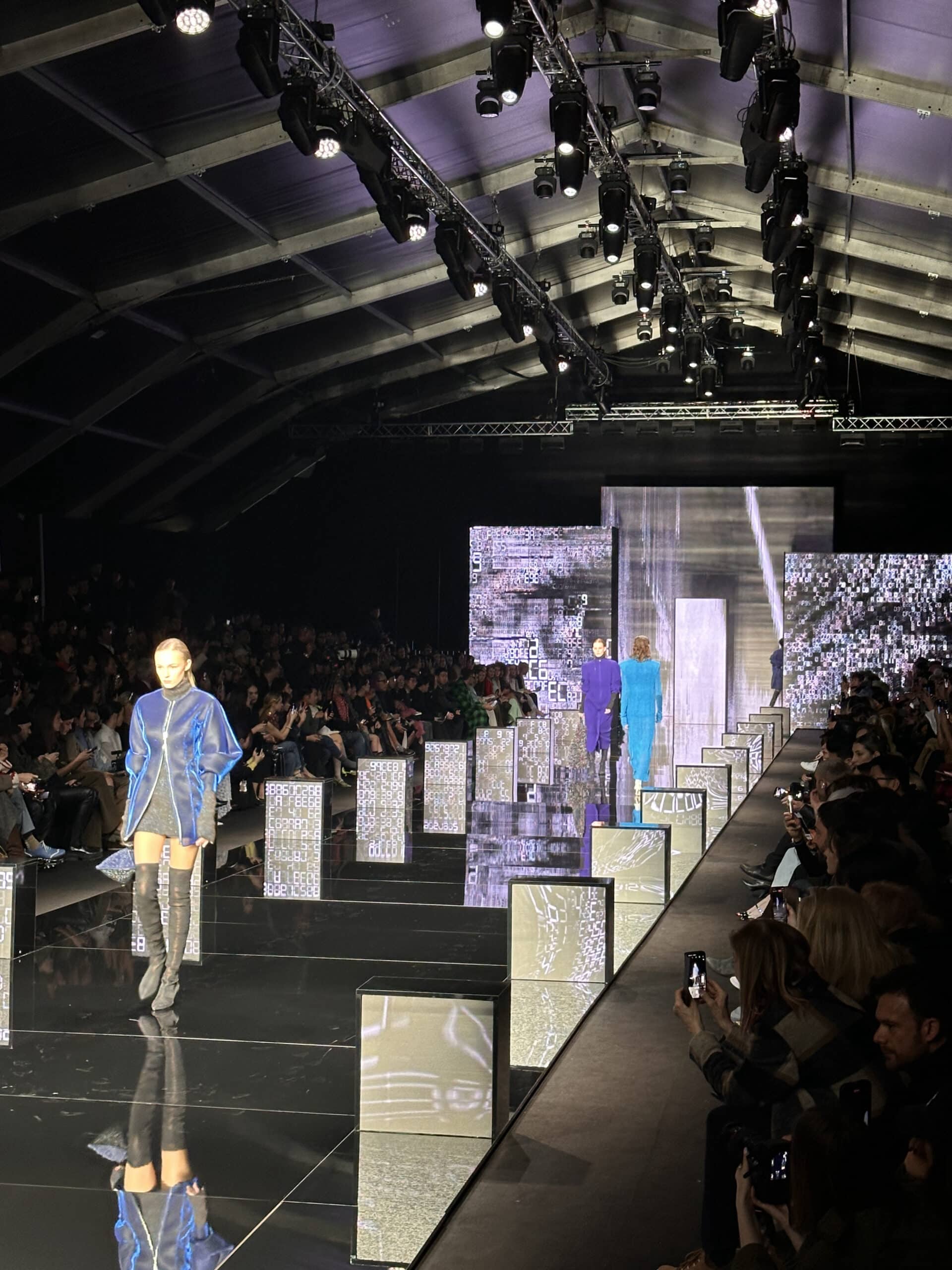
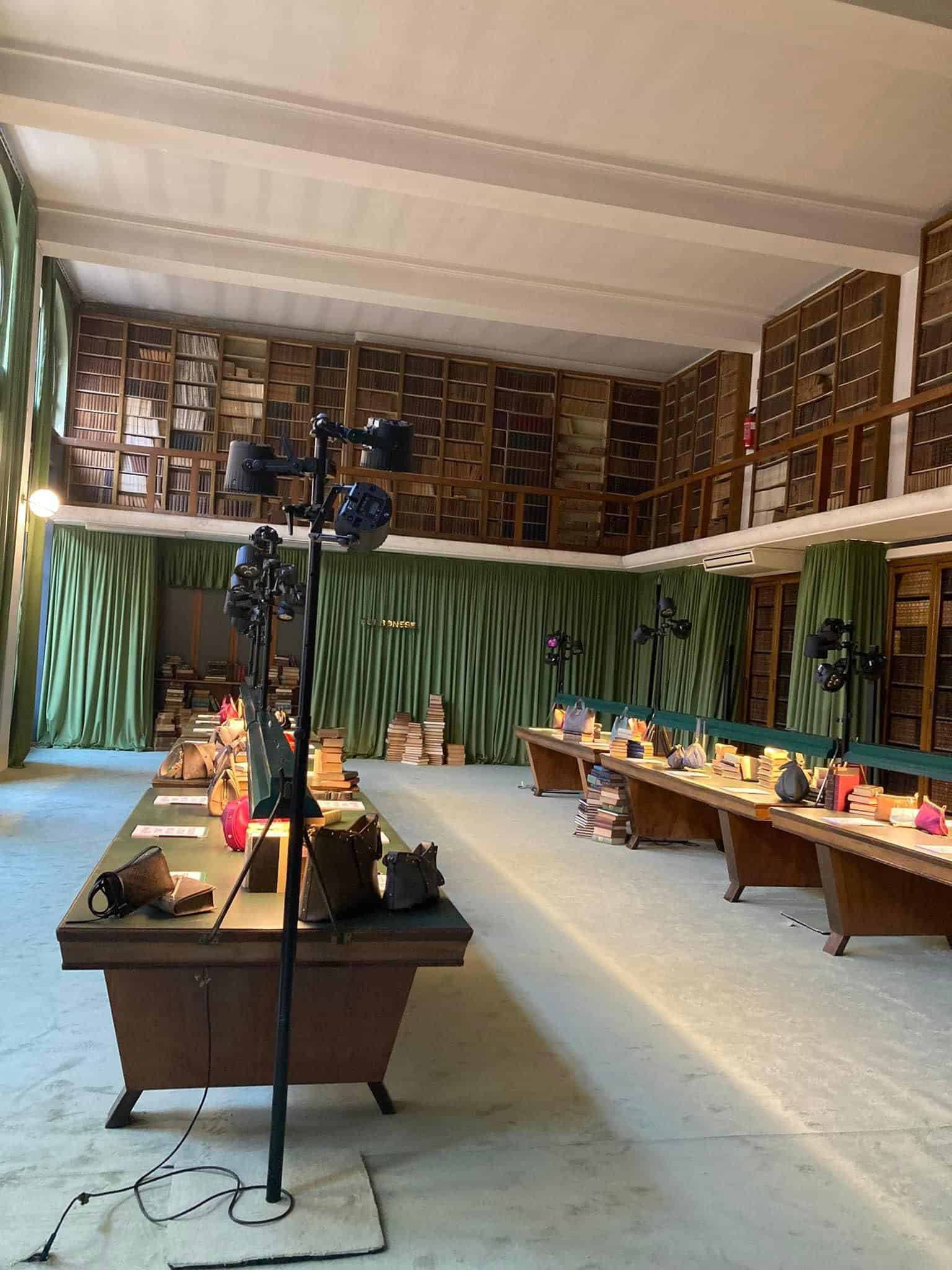
Exhibition spaces, illuminated by captivating lights and air-conditioned for comfort, require a considerable amount of energy. This further contributes to CO2 emissions, especially when environmental awareness might take a back seat to the spectacular nature of the event.
Possible Solutions
To mitigate CO2 waste at these events, it is essential to consider sustainable solutions. The introduction of sustainable fashion practices, the promotion of recyclable materials, and the adoption of more efficient energy technologies in exhibition spaces could help reduce the environmental impact.
In conclusion, while fashion events and the Milan Furniture Fair are celebrations of creativity and design, it is crucial to consider the environmental implications. Only through a conscious and sustainable approach can we ensure that the industry contributes positively to our planet rather than increasing its burden.
A LOOK AT THE CO2 PROBLEM
Environmental Impact in Fashion Events and the Milan Furniture Fair
In recent years, fashion events and the Milan Furniture Fair have played a leading role in the industry, attracting international attention and creating a stage for innovation and design. However, behind this brilliance, there is often a neglected aspect: the CO2 waste associated with such events.
Abundance of Travel and Transportation
Fashion events and the Milan Furniture Fair draw participants, exhibitors, and professionals from around the world, resulting in massive travel activity. The numerous flights, car journeys, and public transportations to reach Milan contribute significantly to CO2 emissions. This ecological impact often escapes notice amid the enthusiasm for the spectacle.
Fast Fashion and Product Lifecycle
The frenzy of fashion and the rapid turnover of products associated with events generate significant waste. Clothing and furniture items often have short lifecycles, encouraging excessive consumption and, consequently, CO2 production associated with their creation and disposal.
Energy Consumption in Exhibition Spaces
Exhibition spaces, illuminated by captivating lights and air-conditioned for comfort, require a considerable amount of energy. This further contributes to CO2 emissions, especially when environmental awareness might take a back seat to the spectacular nature of the event.
Possible Solutions
To mitigate CO2 waste at these events, it is essential to consider sustainable solutions. The introduction of sustainable fashion practices, the promotion of recyclable materials, and the adoption of more efficient energy technologies in exhibition spaces could help reduce the environmental impact.
In conclusion, while fashion events and the Milan Furniture Fair are celebrations of creativity and design, it is crucial to consider the environmental implications. Only through a conscious and sustainable approach can we ensure that the industry contributes positively to our planet rather than increasing its burden.